WAYNE HABLE, P.E., CHIEF ENGINEER
What is a pump’s life expectancy, and how can it be extended?
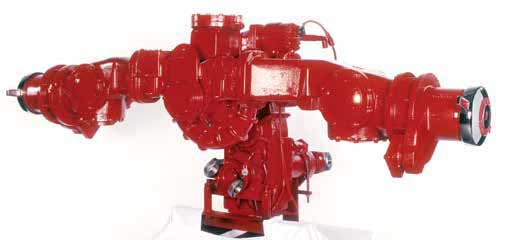
A Darley fire pump is engineered to deliver dependable performance in some of the most demanding emergency response environments. Whether supporting municipal firefighting, industrial protection, airport rescue operations, or emergency water transfer, these pumps are designed for years of reliable service. However, even the most rugged equipment requires proper care to achieve its full service life. A proactive maintenance program not only reduces the risk of unexpected failures, but also helps lower operating costs and ensures the pump is ready for an emergency.
Routine inspections are among the most important steps in extending pump life. Operators should perform visual checks before and after each use, looking for leaks, corrosion, loose hardware, damaged hoses, worn couplings, and any signs of unusual wear. Pressure gauges, intake connections, discharge fittings, and control systems should also be monitored regularly. Identifying and correcting minor problems early often prevents more serious damage, reducing repair expenses and improving overall reliability.
Proper lubrication is equally critical. Bearings, seals, and other rotating components depend on the correct lubricant to minimize friction and wear. Following the service intervals and lubrication recommendations provided in the Darley operation and maintenance manual helps protect key components and maintain efficient operation. Over-lubrication can be just as harmful as under-lubrication, making it important to use the proper type and amount of lubricant at all times.
Water quality can significantly affect pump longevity. After operating in saltwater, brackish water, or water containing sediment and debris, the pump should be thoroughly flushed with clean freshwater. This simple maintenance practice removes contaminants that can accelerate corrosion, cause internal wear, and reduce pumping efficiency. Regular flushing is one of the easiest ways to protect critical internal components.
Operators should also avoid conditions that promote cavitation. Cavitation occurs when vapor bubbles form and collapse inside the pump, causing damage to impellers, wear rings, and pump casings. Maintaining adequate suction conditions, ensuring proper hose sizing, and operating within the pump’s recommended performance range can help prevent cavitation and preserve pump efficiency.
In addition, seasonal maintenance, accurate service records, and ongoing operator training are essential for long-term reliability. Winterizing equipment before freezing temperatures, exercising pumps during periods of inactivity, and documenting maintenance activities help prevent avoidable damage.
By emphasizing routine inspections, proper lubrication, freshwater flushing, correct operating practices, detailed record-keeping, and continuous operator training, fire departments and emergency response organizations can maximize the service life of their Darley fire pumps while maintaining dependable performance and operational readiness for many years to come.