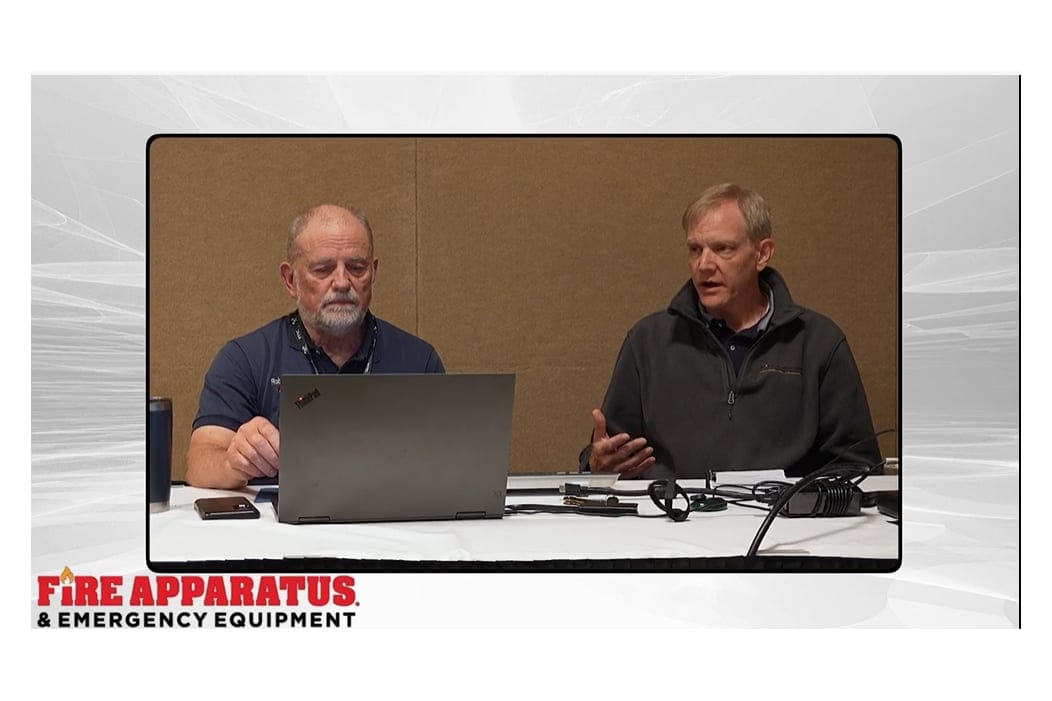
In this episode of EVT Talk, brought to you by our friends at Rescue Intellitech, Chris Mc Loone sits down with Kevin Roberts, president of the Emergency Vehicle Technician Certification Commission (EVTCC), at the annual Fire Truck Training Conference (FTTC) in Lansing, Michigan, to discuss the evolving landscape of emergency vehicle technician (EVT) training, the critical role of hands-on gatherings, and the cautious but practical integration of AI in education. Here are some takeaways that stand out for the emergency services community.
Roberts emphasized a mindset shift he calls the “What if, not What now?” approach, urging technicians to stay fully engaged and think beyond routine checklists when inspecting emergency vehicles. A well-maintained fleet can lull techs into complacency, making them prone to miss subtle but potentially serious issues. He likened this to drivers who don’t anticipate hazards because they aren’t actively scanning their environment.
This foresight is crucial to catching problems before they cause costly breakdowns or safety incidents. A good EVT doesn’t just complete maintenance steps mechanically—they actively seek out anomalies and understand the broader implications of each component’s condition.
For the emergency services industry, where downtime means risking public safety and mission readiness, this “what if” mentality can’t be overstated. Roberts’ insights remind us that technicians are the last line of defense in keeping apparatus battle-ready and that training programs must cultivate sharp observational skills and disciplined risk awareness.
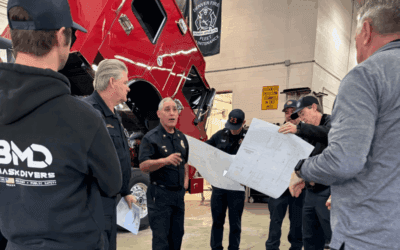
One clear message from Roberts is the irreplaceable value of live conferences like the FTTC. While virtual classes and online resources have expanded access, nothing quite matches the dynamic interaction of classroom discussions, face-to-face Q&A, and informal networking. Roberts praised the conference format for enabling participants to get “outside their comfort zone,” actively engage with instructors, and swap real-world troubleshooting experiences with peers.
Mc Loone shared his observations of the shared problem-solving occurring before classes even start—fire apparatus technicians from coast to coast exchanging tips and solutions on common challenges. This kind of peer-to-peer learning drives progress and keeps communities of practice vibrant. It also fosters relationships that span departments and regions, which can prove invaluable when tackling complicated repairs or equipment upgrades back home.