By Mike Huber
In today’s fire service environment, apparatus availability is more critical than ever. Fire departments rely on increasingly complex fleets made up of engines, ladder trucks, medic units, tankers, and specialty apparatus that must remain operational around the clock.
While preventive maintenance programs and scheduled inspections help improve reliability, emergency breakdowns unfortunately still occur—usually at the worst possible times. Managing after-hours emergency repairs while simultaneously maintaining a dependable reserve fleet has become one of the most significant challenges facing fleet divisions and logistics personnel. I continuously argue that you cannot support a 24/7/365 department working Monday through Friday from 0700 to 1500 hours.
The reality is simple: Apparatus failures do not wait for normal business hours. A front-line engine can suffer a coolant leak at 0200 hours. A ladder truck may develop an aerial interlock fault during a working fire. A medic unit can experience a transmission issue in the middle of a busy weekend. When these situations occur, fleet personnel must make rapid decisions that balance operational readiness, staffing limitations, and safety.
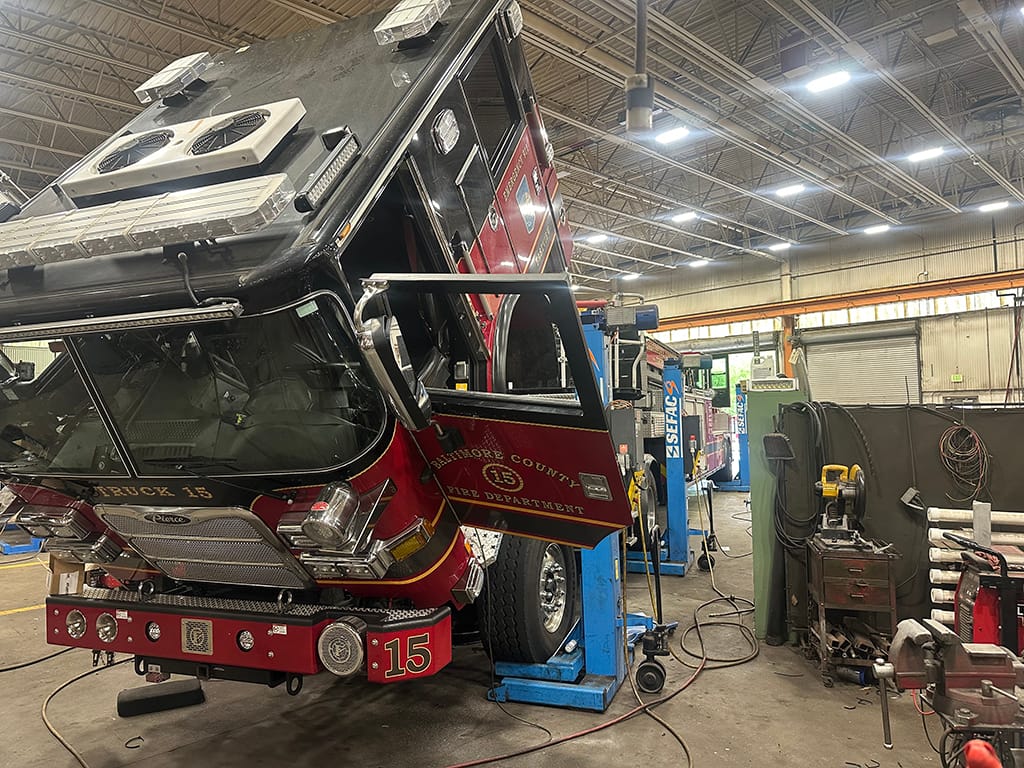
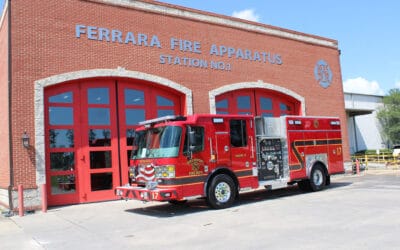
1 Calls for emergency repairs occur even after hours, which is a challenge for maintenance staffs that work Monday through Friday from 0700 t0 1500 hours. (Photos by author.)
For most departments, the first step in managing after-hours apparatus issues is determining whether a repair is truly an emergency. Not every malfunction requires an immediate mechanic response. Departments are increasingly adopting policies that reserve after-hours callbacks for critical failures such as disabled apparatus, fireground emergencies, or safety-related deficiencies. Routine maintenance concerns and noncritical repairs are often deferred until regular shop hours, reducing unnecessary callbacks and mechanic fatigue. We recently instituted a policy where if a repair meets out-of-service criteria, and the unit is in the station, they just go into a reserve. The catalyst for this was the amount of overtime generated at premium pay rates.
This shift has placed greater emphasis on reserve apparatus programs. A strong reserve fleet allows departments to quickly place another unit into service while repairs are completed under safer and more controlled conditions. Rather than attempting temporary roadside fixes or overnight repairs for minor issues, crews can simply change over to a reserve unit and continue serving their districts with minimal interruption.
However, maintaining an effective reserve fleet presents its own challenges. Reserve apparatus are often older units with higher mileage, aging components, and limited parts availability. Ironically, reserve units that sit unused for extended periods can develop reliability issues of their own. Batteries fail, seals dry out, corrosion develops, and electronic systems become increasingly problematic. Fortunately, or unfortunately, depending on how you look at it, my department’s reserve fleet is in constant use.
To combat this, successful fleet divisions treat reserve apparatus with the same attention given to front-line units. Regular inspections, scheduled exercise periods, battery maintenance, and preventive service intervals are essential to ensuring reserve units are deployment-ready. A reserve engine that cannot start or pump properly during an emergency creates operational risks that can quickly cascade throughout an entire response system. To combat operational issues with the reserve fleet, it is necessary that station personnel where the reserve apparatus is housed perform a weekly inspection and operational check on the units.
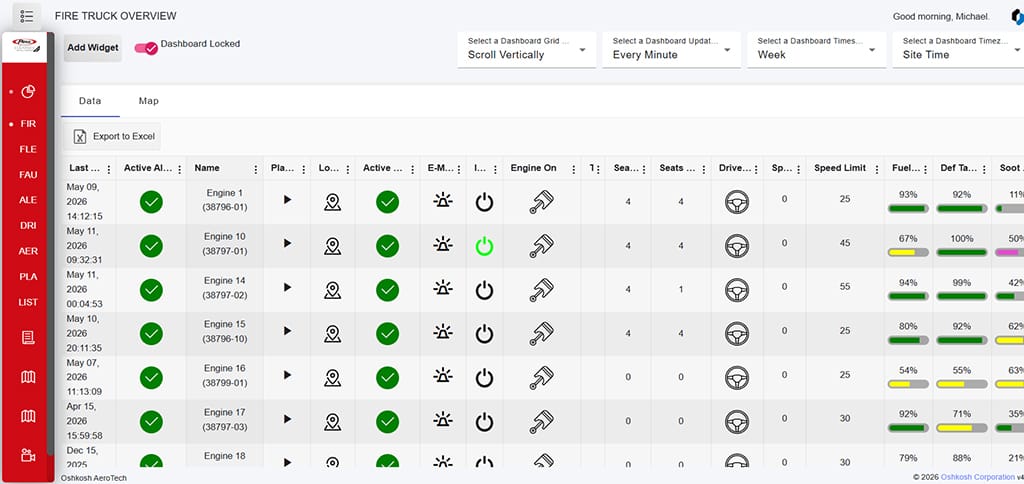
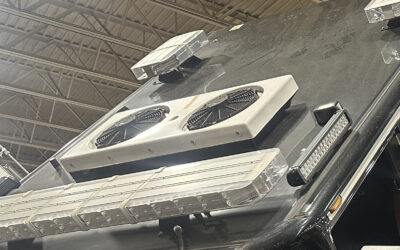
2 Modern apparatus equipped with multiplex electrical systems, telematics, and onboard diagnostics can provide maintenance personnel with early warning indicators before catastrophic failures occur.
Peak demand periods further complicate fleet operations. Annual aerial testing, pump testing, preventive maintenance schedules, collision repairs, and warranty work can all place multiple units out of service simultaneously. Seasonal conditions also contribute to increased failures. Summer heat places added strain on cooling systems and air conditioning components, while winter weather often exposes battery, air brake, and electrical system weaknesses.
During these periods, fleet managers must carefully coordinate apparatus availability across the department. Communication becomes critical. Operations chiefs, communication centers, station officers, and maintenance personnel all need accurate, real-time information regarding apparatus status and reserve availability. A lack of coordination can lead to duplicate reserve assignments, staffing confusion, or gaps in response coverage.
Standardization within the fleet can also significantly improve reserve fleet effectiveness. When reserve units closely match front-line apparatus in design, equipment layout, and operational capabilities, crews can transition more efficiently during changeovers. Standardized pump panels, hosebed configurations, warning light systems, and cab layouts reduce confusion and improve firefighter safety during emergency responses. Standardizing this has dramatically reduced the time required for driver/operator fleet familiarity. I can remember that when fleets were transitioning from manual transmissions to automatic transmissions, we would have promoted drivers who could not drive manual transmissions, creating a staffing nightmare.
Technology is also reshaping how departments manage emergency repairs and fleet readiness. Modern apparatus equipped with multiplex electrical systems, telematics, and onboard diagnostics can provide maintenance personnel with early warning indicators before catastrophic failures occur. Real-time fault monitoring allows shops to identify recurring problems, schedule repairs proactively, and reduce unexpected downtime. When used properly, telematics allow remote diagnosis of issues to determine if a repair is truly emergent or something that can be deferred until regular business hours.
At the same time, these advanced systems without telematics have increased the complexity of after-hours troubleshooting. Diagnosing electronic control module failures, communication network faults, or sensor issues often requires manufacturer-specific software and specialized training. Fleet divisions now rely heavily on vendor partnerships and technical support networks to assist with diagnostics and repairs outside traditional business hours.
Despite these challenges, the mission remains unchanged: keep apparatus in service and communities protected. Behind every operational fire apparatus or medic unit is a coordinated effort involving fleet technicians, logistics personnel, operations staff, and vendors working in concert to maintain readiness.
As apparatus technology continues to evolve and departments face increasing call volumes, after-hours repair management and reserve fleet planning will only continue to grow in importance. Departments that invest in preventive maintenance, reserve fleet readiness, standardized apparatus design, and clear after-hours response policies will be better positioned to maintain operational continuity during even the most demanding periods.
In the end, fleet readiness is not simply a maintenance issue—it is a core component of emergency response capability. When the tones drop, the citizens expect apparatus to respond immediately. Effective emergency repair management and a dependable reserve fleet ensure that expectation can be met every time. Failure is not an option.
MICHAEL HUBER is a fire apparatus driver/operator and fire apparatus fleet manager for the Baltimore County (MD) Fire Department.