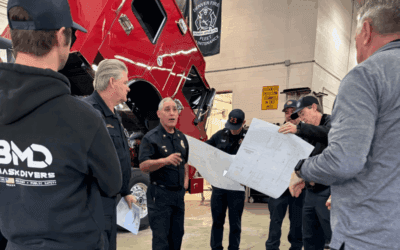
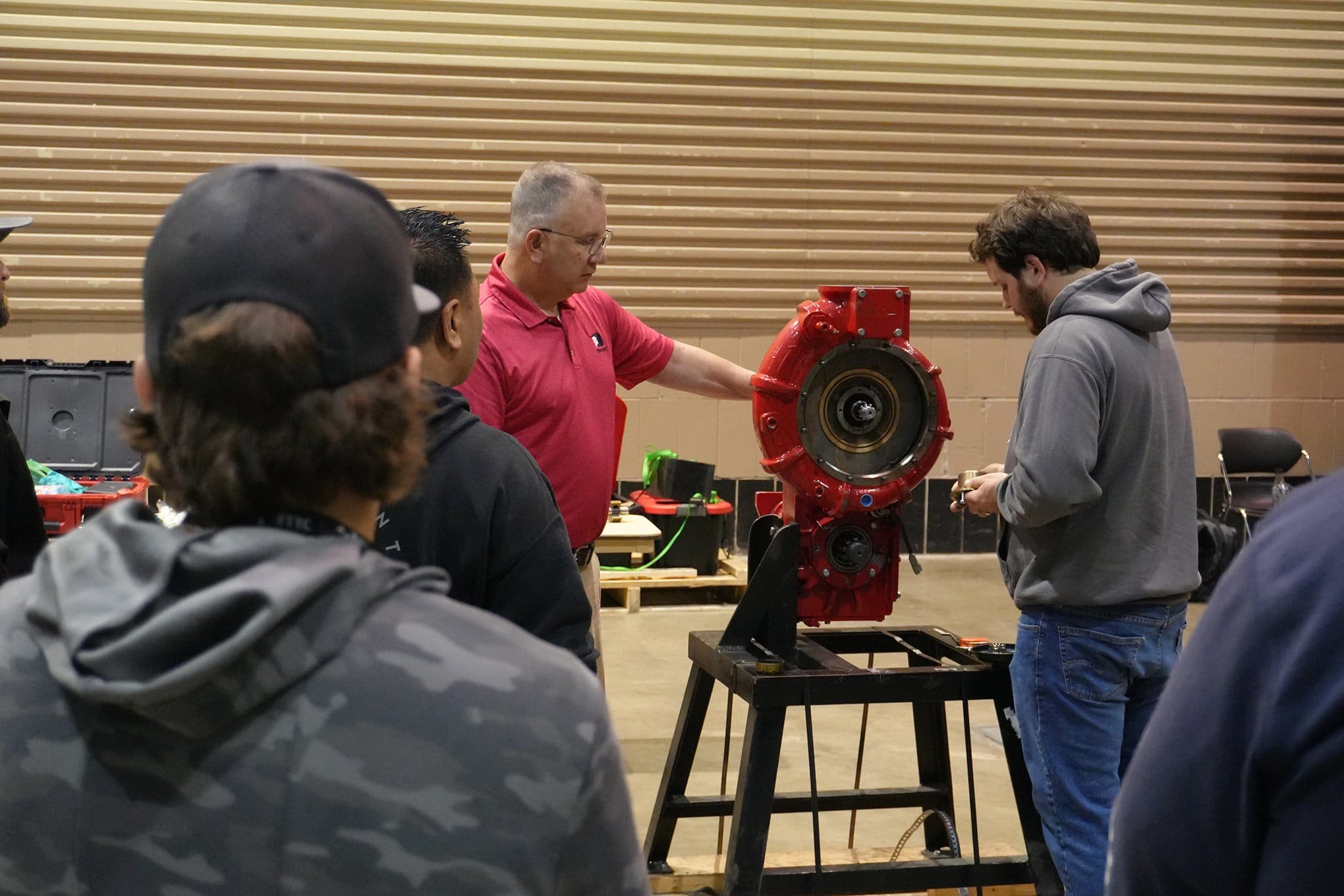
One of the things that is always enjoyable when attending the Fire Truck Training Conference takes place before the classes begin. Students are filing in and taking their seats, and the side chats begin before the instructor arrives. They could be talking about the class’s topic or something else going on back at their shops, but before long, they are all engaged and troubleshooting the problem and everyone has a solution because everyone has encountered it. That’s one of the most valuable things about this conference is that no matter what your challenge, someone else at the conference is going through the same thing or has already gone through it.
What’s also fascinating is seeing them on their phones during breaks or having to take calls while they are in class. They are never not working. They are solving problems for techs back home no matter where they are. Dave Griffin in his keynote this year asked, “Why would you not want to be the best?” The techs here embody being the best. It’s a pleasure to be around them. They are one of the nicest groups of people I’ve ever met.
Breakfast conversation this morning involved one tech from Washington and two techs from Nova Scotia. The topic of salt came up. I know, kind of random. But it came up, and it wasn’t so much the salt part of it that interested me but how both all three of the techs were from departments that covered wide areas. The Washington tech has about 40 units in his own fleet that he services but also other departments from the area bring their apparatus to his shop, and that brings in an additional 50 or so over the course of a year. All three though had very diverse fleets. In Washington, the fleet comprises rigs from the 1980s all the way until now. And, here’s where the salt comes in, he said they are all in great shape. Some may be old, but because his neck of the woods doesn’t need road salt, they “aren’t falling apart.”

The Nova Scotia techs discussed how the area they cover with mobile techs makes knowing the rig you’re going to service critical. In one example, a driver’s side door wouldn’t open. The station was more than an hour away. Making sure the correct handle and related hardware was critical. But, it really hit home for me just how different the shops are and the areas they cover are across the country. And, just now much our techs today need to know to service their fleets. Not everyone has the most up to date fleet. Some of our first-out rigs, out of necessity, are in their 40s. The institutional knowledge these techs possess is invaluable. Hold onto them as long as you can!
All three of my breakfast table companions were here to attend the supplier classes because they were up to ate on their EVT certs or were preparing to take them closer to home, owing to the variety of classes available to EVTs at the Fire Truck Training Conference.