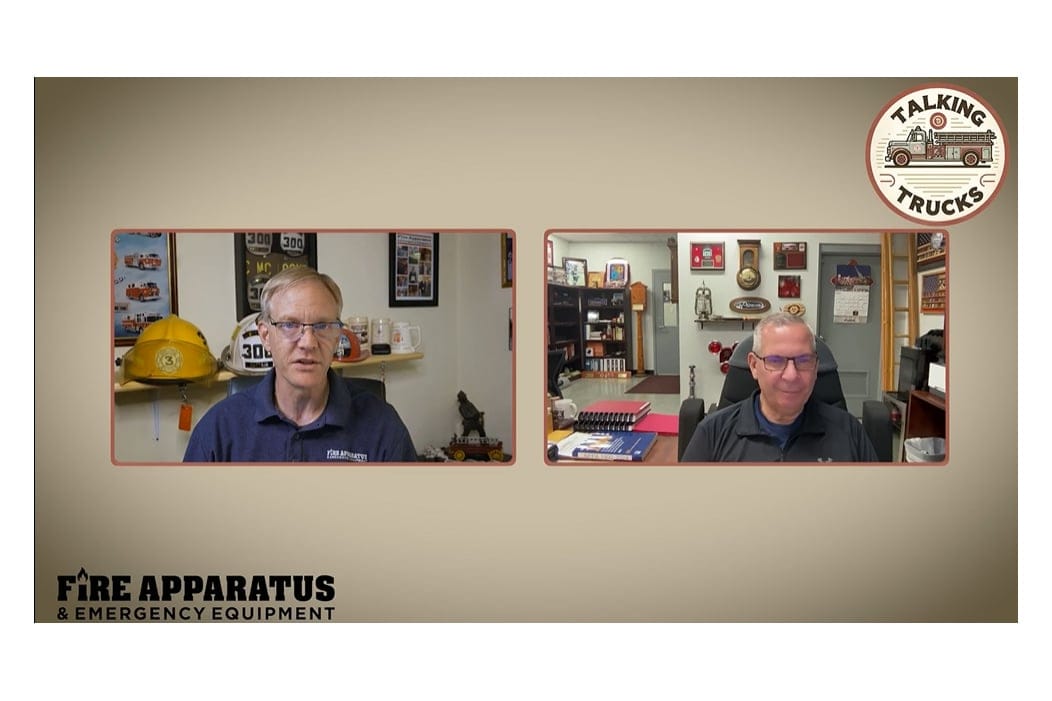
In the latest episode of Talking Trucks, hosted by Chris Mc Loone and joined by fire apparatus expert Ricky Riley, the focus zeroed in on a critical component of fire apparatus management: designing rigs for ease of maintenance. The conversation went into how early planning and well-crafted specifications can reduce out-of-service time, lower repair costs, and extend the operational life of apparatus across various types — from pumpers and ladders to rescues and ambulances.
Maintenance Must Be a Priority During Specification and Design
The podcast reinforced that a truck’s specification phase is the most crucial opportunity to ensure the rig is maintainable over its lifespan. Once production begins, changes become costly or delay delivery. Ricky emphasized that specifying detailed requirements—including service clearance around components—is non-negotiable.
Riley pointed out that manufacturers tend to follow the letter of the specification. If it doesn’t explicitly call for reinforced brackets or panel access, those features may be installed in ways that compromise serviceability. “If it’s not in writing, it doesn’t exist,” Mc Loone echoed, underscoring advice from long-time industry advisor Bill Adams. Departments must carefully spell out every detail to avoid costly surprises after delivery.
Maintenance isn’t just the shop’s responsibility. Firefighters themselves must be equipped with the knowledge and tools for routine upkeep. Riley lamented how many training programs overlook practical maintenance tasks, such as checking pump pressure governors, grease points, or backflushing the pump. “It’s a lost art form,” he said, describing the disconnect between certification-driven training and the hands-on skills needed to keep rigs operational at the station level.
Listen to the Podcast for more of the conversation!