APPARATUS: THE SHOPS
 Fire apparatus are more than just vehicles—they are lifelines for communities that perform under extreme conditions while ensuring the safety of firefighters and citizens alike.
When damage occurs, whether from an accident, wear and tear, or operational stress, selecting the right body shop for repairs is crucial. Cutting corners or choosing an unqualified facility can result in delayed response times, compromised safety, and increased long-term costs.
As someone who has had the opportunity to “clean up” after a bunch of accidents, I can confirm that each one proves to be a challenge. From parts availability to scheduling to poor workmanship, it never fails to lead to frustration. The impact of losing the use of the apparatus is immediate depending on the severity of the damage, but the cleanup can take weeks, months, and sometimes years.
Undoubtedly emergency apparatus is involved in a higher rate of accidents than a civilian vehicle when you compare miles driven. This rate is higher because of a number of factors, including the following:
- High-risk driving conditions: Lights, sirens, and urgency lead to fast responses through traffic.
- Large, heavy vehicles: More difficult to control or stop.
- Limited visibility and turning radius.
- Public reaction: Civilian drivers often don’t yield correctly or panic.
The most common incidents are in intersections during red lights, rollovers (especially with ladder trucks and tankers), and backing into objects or other vehicles.
Choosing a body shop to repair fire apparatus after an accident requires more due diligence than selecting one for personal vehicles because of the size, complexity, and critical role of the equipment. Following is a step-by-step guide to help you choose the right repair facility.
Step 1: Check the repairer for emergency vehicle specialization. Ensure the shop has a proven track record repairing fire trucks or similar emergency vehicles. Look for emergency vehicle technician (EVT) certifications or National Institute for Automotive Service Excellence (ASE) heavy truck certifications, as well as any affiliations with fire apparatus manufacturers.
Fire apparatus have unique systems (e.g., pumps, aerial ladders, sirens, and emergency lighting) and configurations not found in typical vehicles. A specialized shop understands these intricacies and can service them properly.
Step 2: Assess the repairer’s equipment and capabilities. The facility must have the capacity to lift, accommodate, and repair large apparatus, including aerials and tankers. Verify that it can handle custom bodywork, frame straightening, electrical systems, and refinishing.


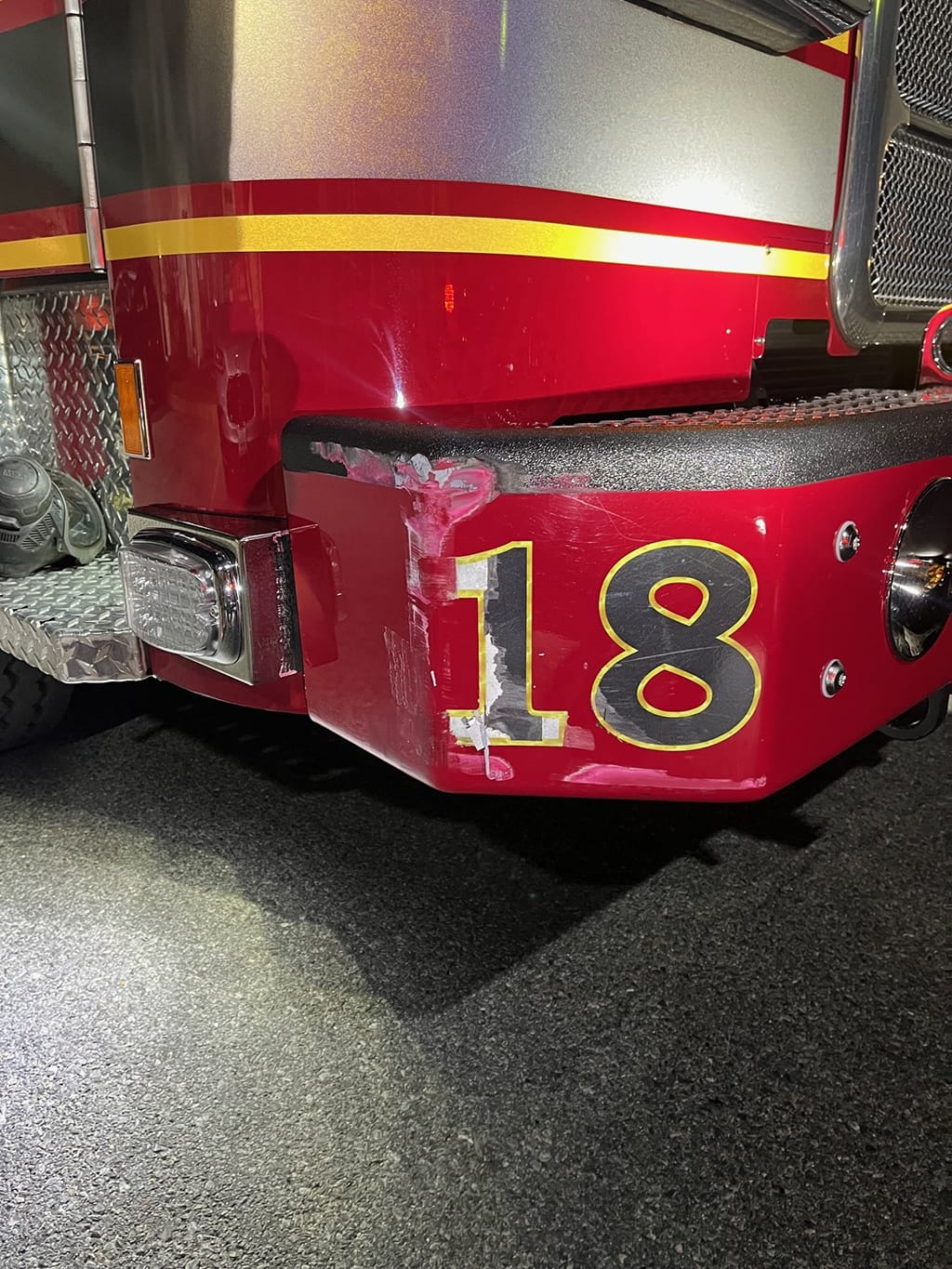
1, 2 Examples of damage that will require a collision repair center to complete repairs. (Photos courtesy of author.)
Step 3: Look for manufacturer approval or warranty work. Check if the shop is authorized by the original manufacturer of your fire truck. This ensures warranty compliance and access to genuine parts. If repairs fall under warranty, only approved shops will be eligible.
Step 4: Check the shop’s references and reputation. Reach out to nearby fire departments to see who they use and trust. Look for red flags or consistent praise in reviews, particularly about commercial or municipal work.
Step 5: Confirm insurance and compliance. Confirm the shop has the appropriate liability and workers’ compensation insurance. The repairer should be familiar with applicable department of transportation standards. Repairs must meet National Fire Protection Association standards. A reputable shop ensures compliance and uses materials and methods that stand up to heavy duty use.
Step 6: Determine turnaround time and ensure communication. Ask how the shop handles estimates, scheduling, and progress updates. Shops with good supplier networks or in-house parts fabrication can reduce downtime.
Step 7: Determine the shop’s warranty on workmanship. Quality shops stand by their work with written warranties.
Step 8: Perform an on-site evaluation. If possible, visit in person to assess cleanliness, organization, and professionalism. Fire trucks must perform under extreme conditions. A quality body shop ensures all repairs and modifications meet strict safety and performance standards to protect firefighters and the public. Every minute a fire truck is out of service impacts emergency response. A reliable shop works efficiently to get the vehicle back in service quickly without compromising quality. High-quality repair and maintenance help extend the lifespan and maintain the value of the fire apparatus, which is a significant investment for any municipality or department.
Step 9: Ask key questions, including the following:
- What’s the estimated time for repairs?
- Will you use OEM or aftermarket parts?
- Is there a warranty on the repairs?
- Do you offer a written estimate and itemized invoice?
- Do you have loaner units available?
Picking the right body shop for fire apparatus repair isn’t just about fixing dents or scratches in paint—it’s about maintaining operational readiness, ensuring firefighter safety, and protecting the communities these vehicles serve. Departments should vet their repair centers carefully, prioritize expertise over convenience, and insist on strict quality control to guarantee their apparatus is always ready for the call.
related content
- The Role of Fire Apparatus in Crew and EVT Safety
- How to Handle Warranty Repairs and Maximize Manufacturer Support
- Fire Apparatus Technology: The Impact on Repair and Maintenance
- Ensuring Safety and Function: The Crucial Role of Fire Apparatus Factory Inspections
- Maximizing the Efficiency of Your Fleet
MICHAEL HUBER is a fire apparatus driver/ operator and fire apparatus fleet manager for the Baltimore County (MD) Fire Department.