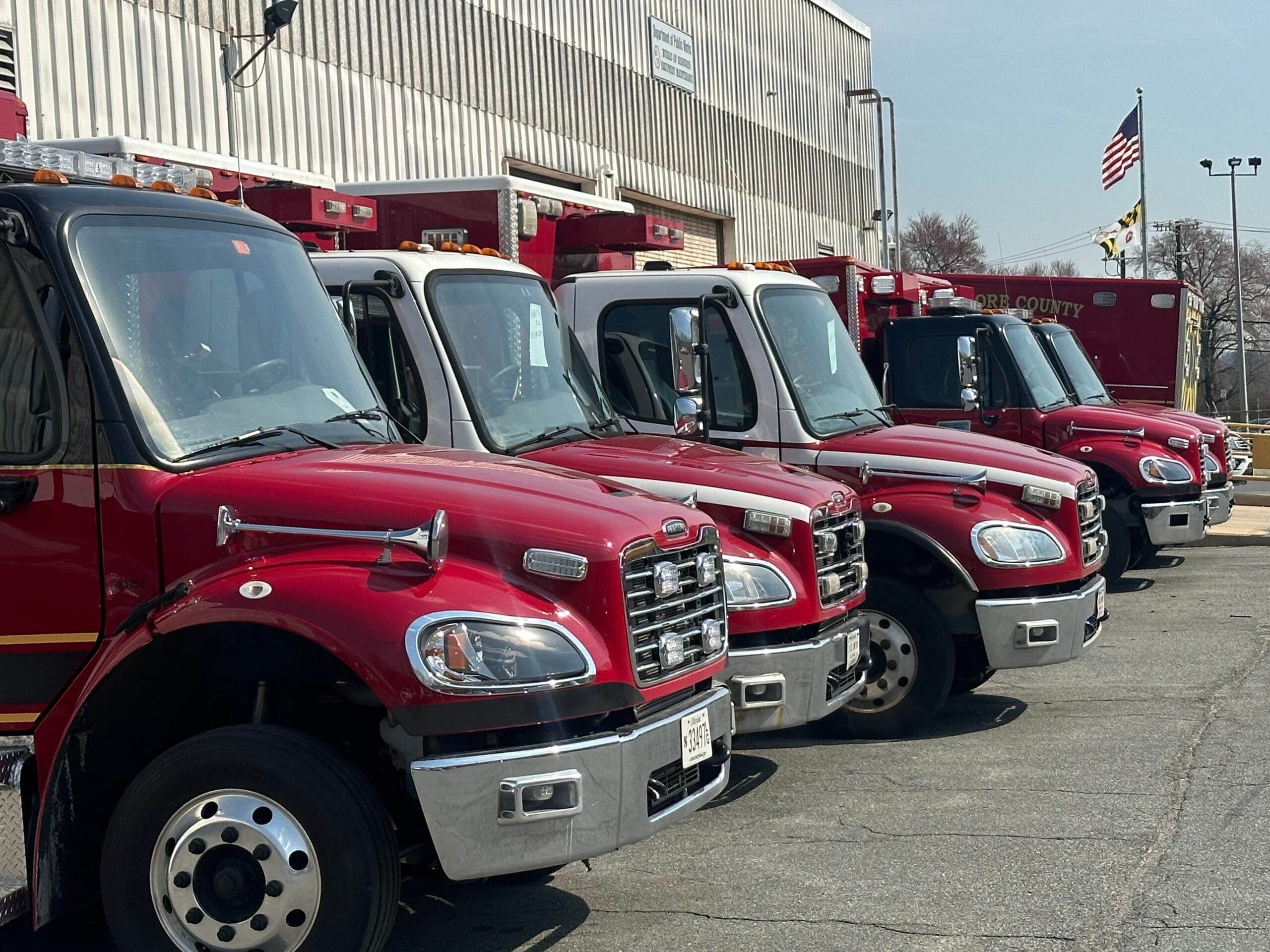
Fire apparatus have evolved dramatically over the past two decades. What was once a largely mechanical piece of equipment, diesel engine, manual pump controls, and basic electrical systems—has become a rolling network of computers, sensors, multiplex wiring, emissions controls, and integrated safety systems.
While these advancements have improved safety, efficiency, and performance on the fireground, they have also placed extraordinary demands on fire apparatus repair facilities.
For fleet managers, technicians, and shop supervisors, the challenge is no longer just “fixing trucks.” The challenge is keeping pace with technology that changes faster than traditional training cycles, budget planning, and staffing models were ever designed to support.
FROM WRENCHES TO LAPTOPS
Modern fire apparatus rely heavily on electronic control systems. Multiplexed electrical systems, CAN bus networks, pump controllers, and chassis-mounted diagnostics are now standard. A single fault can increase problems across multiple systems, producing warning lights that appear unrelated to the original issue.
In my world, we had a front-line engine that began intermittently losing cab power during responses. Operators reported radio resets, flickering dash displays, and a pump controller issue. Initial suspicion centered on the alternator and batteries. However, after several hours of diagnostics, technicians traced the issue to a single corroded ground in the multiplex system. That one bad connection disrupted multiple systems, giving the impression of far more serious failures. Always double and triple check your grounds was the lesson learned, the hard way.
In a purely mechanical time, this issue might never have existed. In today’s world, it required electrical knowledge, diagnostic software, and the ability to interpret multiplex logic—not just turning wrenches.
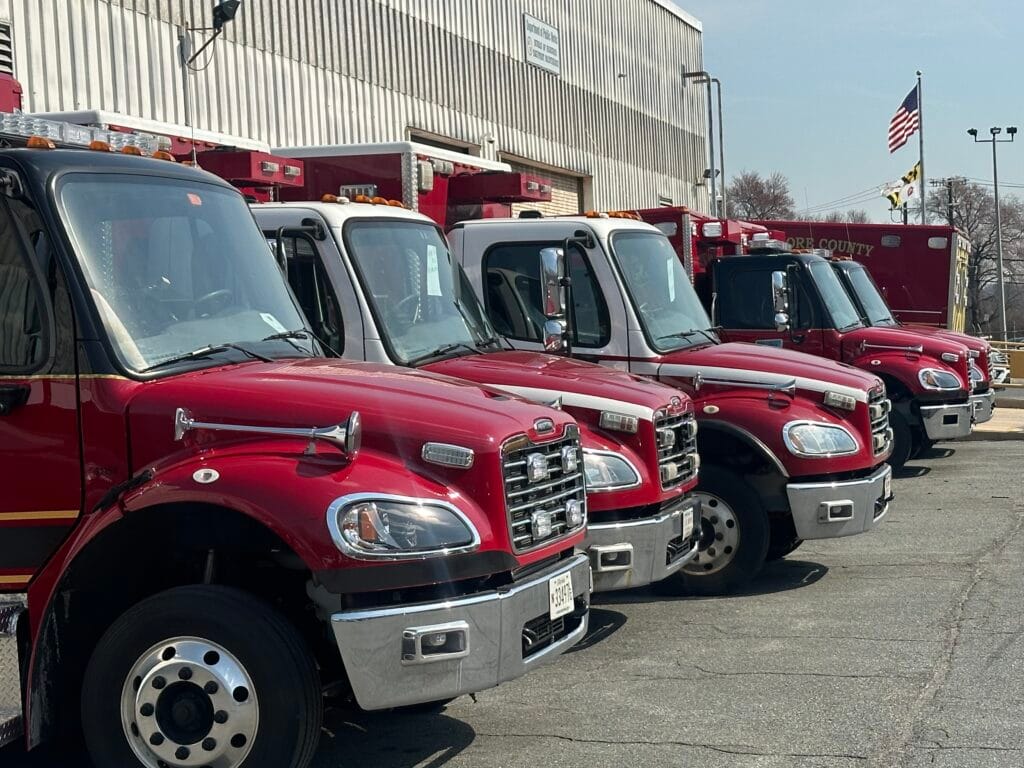
1 In today’s world, repairs require electrical knowledge, diagnostic software, and the ability to interpret multiplex logic—not just turning wrenches. (Photo by author.)
THE TRAINING GAP IN ACTION
One of the most significant challenges facing fire shops is the widening gap between advancing technology and available training. Apparatus manufacturers continue to innovate, but training opportunities are often limited by cost, staffing, and availability.
A few years back, we placed a series of new pumpers in service equipped with an advanced pump control module and electronic pressure governor. Within months, operators reported erratic pressure readings. The shop lacked formal training on that specific system and relied on vendor support. Each incident required scheduling an outside technician, resulting in repeated out-of-service periods.
Eventually, the department invested in manufacturer training for technicians through an agreement with the apparatus manufacturer. Within weeks of completing the course, the same issues were diagnosed and resolved internally—cutting downtime dramatically and reducing vendor costs over the following year.
This is one example of the hard truth: Training is expensive, but not training often is much more expensive.
DIAGNOSTICS OVER PARTS SWAPPING
Rapidly changing technology has made trial-and-error repairs both inefficient and risky. Modern components are expensive, back orders are common, and replacing parts without addressing root causes often leads to repeat failures.
An engine experienced repeated diesel particulate filter (DPF) regeneration failure. Over several months, sensors were replaced, software updates were applied, and downtime continued. Finally, a comprehensive diagnostic review revealed excessive idle time combined with short response distances that never allowed full regeneration cycles.
The fix was not a part—it was an operational change paired with updated regeneration procedures and operator training. Once implemented, the problem disappeared.
It is abundantly important for units to achieve highway speed for a period of time to allow the engine to properly regenerate, if it is needed. The engine will identify when a regen is needed.
MANAGING VENDOR DEPENDENCE
As apparatus become more complex, reliance on vendors is inevitable. Chassis manufacturers, body builders, and component suppliers all play critical roles. However, excessive dependence can create bottlenecks and erode in-house expertise, not to mention increase downtime.
We had an engine involved in a collision. The engine was sent out for frame and suspension evaluation. The repair vendor recommended extensive component replacement at a very high price. Personnel familiar with the vehicle’s maintenance history and telematics data questioned the scope and requested additional measurements and documentation.
That joint examination resulted in a more targeted repair plan—saving both time and money while maintaining safety and compliance. Remember: The name of the game is to keep rigs on the road. The rigs do no one any good sitting in a repair shop.
TELEMATICS AND PREDICTIVE MAINTENANCE IN PRACTICE
Telematics systems now provide data on engine hours, pump usage, fault codes, and driving behavior. When integrated into maintenance planning, this information can dramatically improve fleet reliability.
A nearby department noticed recurring transmission faults across multiple units of the same model. Telematics data revealed a pattern: aggressive acceleration combined with frequent short-distance responses. Using this data, the shop worked with training staff to address driving habits and adjusted preventive maintenance intervals. The result was a measurable reduction in transmission-related repairs over the next 12 months.
DOCUMENTATION AS A PROTECTIVE TOOL
As technology increases, so does the importance of documentation. Accurate records support compliance with National Fire Protection Association (NFPA) 1910, Standard for the Inspection, Maintenance, Refurbishment, Testing, and Retirement of In-Service Emergency Vehicles and Marine Firefighting Vessels, protect the department from liability, and preserve institutional knowledge. As a technician, one of the best self-preservation tools is documentation. Without documentation, it becomes a back-and-forth blame game. It has been proven many times that courts rely heavily on proper documentation when determining fault.
PREPARING FOR WHAT’S NEXT
Electric and hybrid fire apparatus are beginning to enter service. These units introduce high-voltage systems, battery management software, and new safety hazards for maintenance personnel.
We were recently tasked with exploring the potential to go to electric apparatus. We were fortunate enough to be involved in a manufacturer focus group on the introduction of electric units into the fire service. What we found was that our infrastructure was not sufficient in both the stations and the maintenance facility to provide charging on the units. The cost to upgrade was prohibitive to move forward with purchasing.
If we had waited until the apparatus was ordered, it would have resulted in catastrophic systemic failure and not being able to use the unit. Just because it’s new and cutting edge does not mean it is the best for the department.
Other technologies on the horizon for fire apparatus that will mimic current auto technology are front collision warning (FCW), automatic emergency braking (AEB), and side collision through blind spot monitoring (BSM) systems as well as 360-degree camera systems. These systems are all great and provide a level of safety; however, they do add complex sensors to already complex apparatus.
EMBRACING THE MODERN SHOP
Keeping up with rapidly changing apparatus technology is not about chasing every innovation, although that is the nature of firefighters. It is about building a culture of adaptability, continuous training, and professional curiosity within the repair shop.
The modern fire apparatus shop is no longer just a support function—it is a critical component of operational readiness and firefighter safety. Jurisdictions that invest in training, diagnostics, data analysis, and documentation position themselves to succeed in an increasingly complex environment.
Technology will continue to evolve. Where it is going is totally unpredictable. My question to everyone is, how will AI be integrated into fire apparatus? I am confident it is coming. The shops that evolve and change with it will keep fleets reliable, responders safe, and communities protected. Those that do not will be on a course for challenging times.
MICHAEL HUBER is a fire apparatus driver/operator and fire apparatus fleet manager for the Baltimore County (MD) Fire Department.